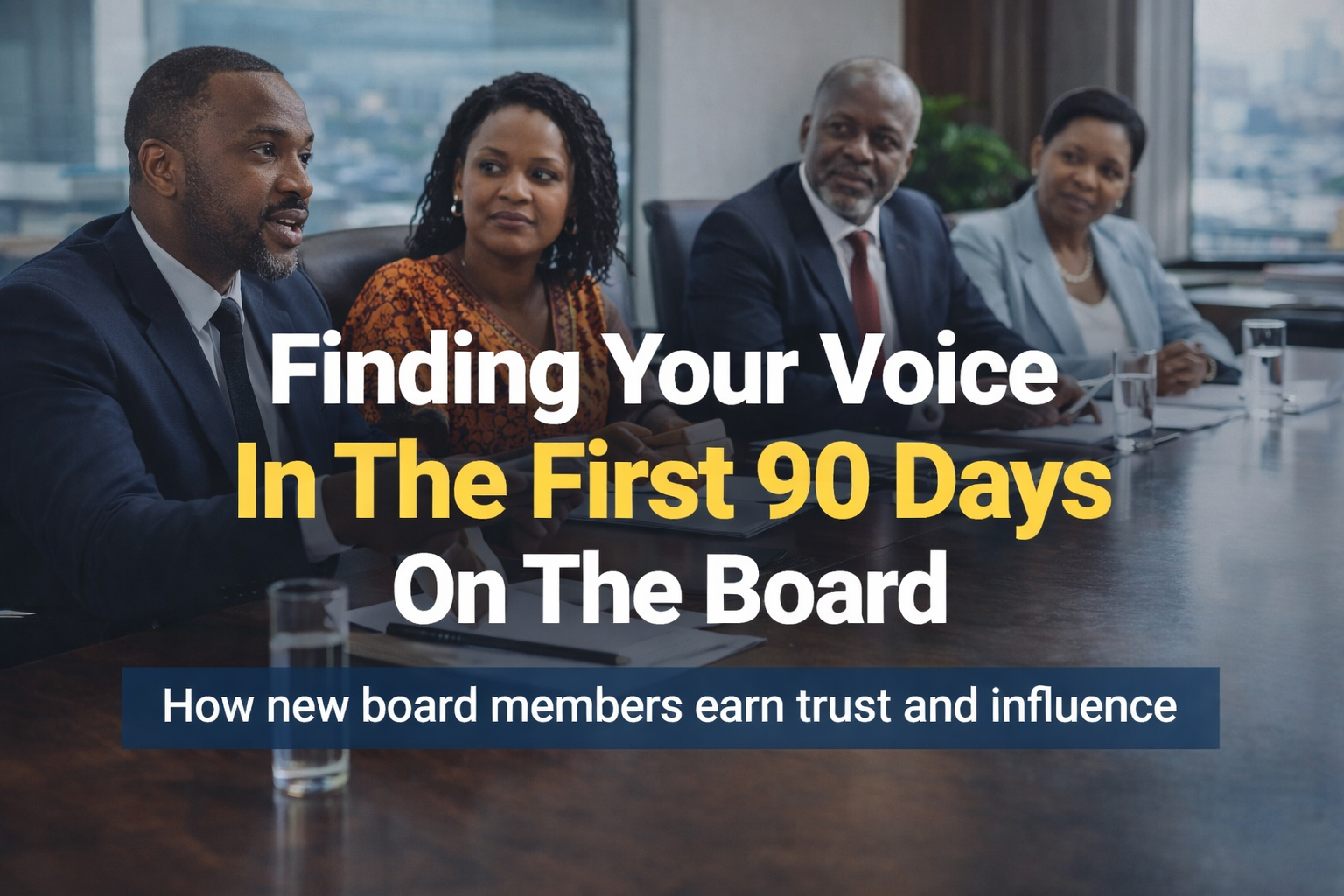


J. Ranguma, current board chair SASRA during one of the SASRA meetings in Nairobi
Picture a typical boardroom in Kenya. The agenda is heavy, the air is formal, and the Chair speaks with absolute authority. A few directors nod; one or two offer brief comments. The rest remain silent. Minutes are signed, resolutions are passed, and the meeting ends in apparent “unison.”
But beneath this veneer of harmony lies a significant governance risk: the absence of constructive challenge.
Across Kenya’s corporate landscape—from NSE-listed companies to large SACCOs and State Corporations—silence is frequently mistaken for consensus. When deference replaces debate, the result is groupthink, missed risks, and strategic blind spots that no compliance checklist can fix.
Where Challenge Breaks Down
The Capital Markets Authority (CMA) Code of Corporate Governance emphasizes independent judgment, yet several cultural and structural pressures often stifle it:
- Power Dynamics & Informal Alliances: In many Kenyan boards, “pre-meetings” or social alliances shape outcomes before the formal discussion even begins, rendering the actual meeting a mere formality.
- The “Seniority” Trap: In a culture that deeply respects age and hierarchy, junior or newly appointed directors often hesitate to question “senior” colleagues, fearing their input may be perceived as confrontational.
- Filibustering: Dominant voices often monopolize the “airtime,” unintentionally (or intentionally) crowding out dissenting perspectives.
- Tokenistic Diversity: While gender and professional diversity are improving, The Institute of Certified Secretaries (ICS) notes that diversity without inclusion is ineffective. If a specialist’s voice isn’t integrated into the core strategy, their presence is merely performative.
Moving from Politeness to Participation
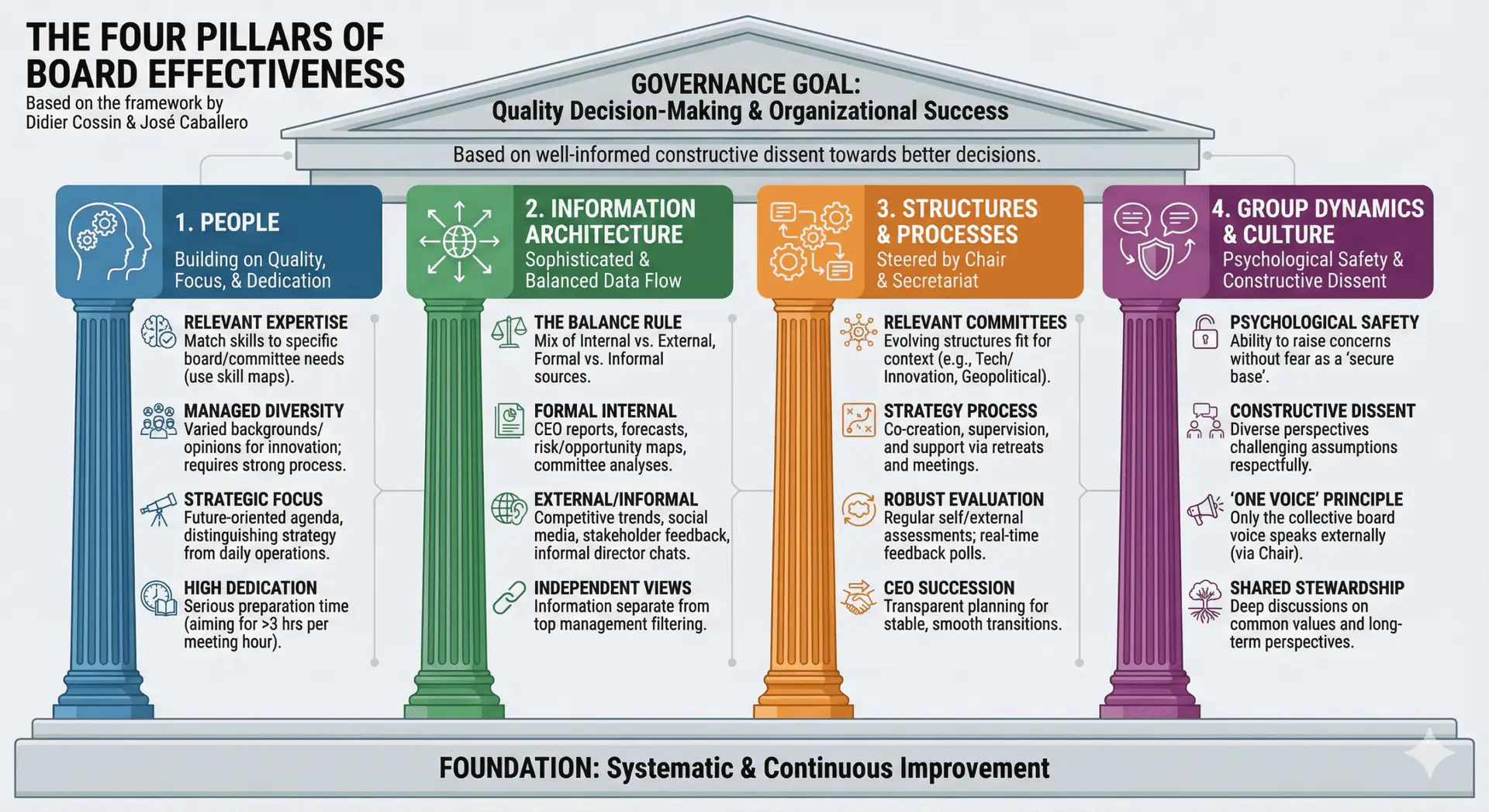
Healthy challenge is a “governance muscle” that must be exercised. It isn’t about conflict; it is about contribution. Here is how Kenyan boards can evolve:
1. The Chair as a Facilitator, Not a Soloist
The Chair sets the emotional intelligence of the room. Effective Chairs act as conductors—they actively invite quieter members to speak and ensure that dissent is treated as a resource rather than a disruption.
2. Empowering the Company Secretary
The ICS Code of Governance for State Corporations (Mwongozo) highlights the Secretary’s role as the “guardian of governance.” They are uniquely positioned to:
- Identify “silent” directors and flag them to the Chair.
- Ensure board evaluations include behavioral assessments, not just technical ones.
- Protect the independence of the deliberative process.
3. Creating Psychological Safety
Structure creates safety. By implementing clear time limits for contributions and providing comprehensive pre-meeting briefs, boards can reduce the “intimidation factor” and ensure every director arrives prepared to engage.
The Cost of Silence
When a board slides into performative consensus, the organization becomes vulnerable. History shows that most corporate crises—whether financial or reputational—were preceded by warning signs that were noticed but never voiced.
A Board that Dares to Question:
- Surfaces emerging risks early.
- Reduces executive capture and internal bias.
- Makes more resilient, data-backed decisions.
- Fosters a culture of shared accountability.
Challenge is a Director’s Duty
In an increasingly volatile Kenyan economic landscape, “playing it safe” in the boardroom is the riskiest move of all. Governance cannot rely on compliance alone; it requires the courage to ask the difficult “Why?”
Organizations that invest in behavioral training and inclusive leadership will do more than just improve their minutes—they will secure their long-term impact and credibility.